
Health
New weekly jab offers alternative to daily type 2 diabetes injections
Hundreds of thousands of individuals managing type 2 diabetes may soon use a new once-a-week insulin shot instead of daily doses.
Published 20 Aug, 00:39 · Pearl Hundred newsroom
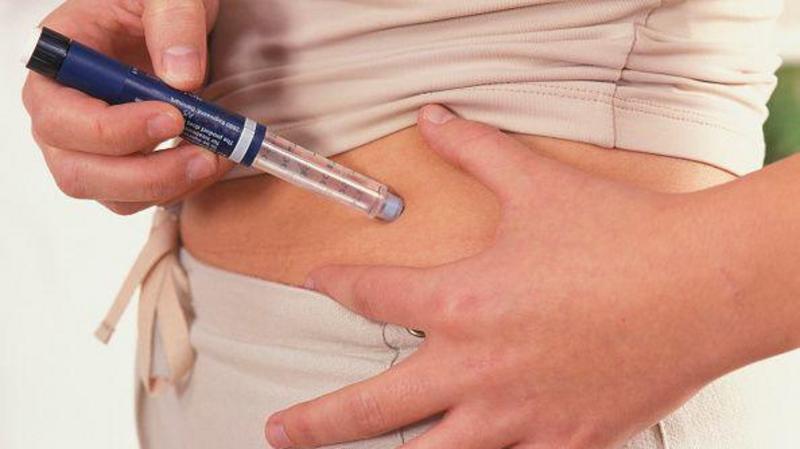
A new weekly injection has the potential to decrease the required number of shots by 86%.
The image displays an individual self-administering an injection into their stomach area with a pen-style device. One hand steadies a blue injection pen against the skin directly below the waist, while the other hand gently pinches the surrounding skin at the injection site. The person is dressed in light-coloured attire, with their top slightly raised to reveal a portion of their midsection.
Hundreds of thousands of individuals suffering from type 2 diabetes may soon have access to a novel weekly insulin injection, which would replace daily doses and lead to an 86% reduction in the total number of injections annually.
Patients will, however, need to await regulatory approval from the medicines body before this treatment becomes available through the NHS.
This therapy, named Onswik and developed by Eli Lilly, is reported to offer comparable effectiveness to daily insulin injections but only requires administration once per week.
Diabetes UK, a charitable organization, states that this will assist people in better managing their condition, particularly those with additional care requirements who rely on assistance for daily injections.
In the years 2024-25, approximately 4.7 million people in the UK were living with diabetes, with about 90% of these cases being type 2.
This condition arises when the body fails to produce sufficient amounts of a hormone called insulin, or when the insulin it does produce does not function correctly, a state also referred to as insulin resistance.
According to Diabetes UK, roughly one in four individuals diagnosed with type 2 diabetes currently uses insulin.
The transition from daily injections to a once-a-week shot is most likely to benefit those who require assistance with administering their injections.
This group could include elderly or frail individuals, those with impaired vision, restricted hand movement, or learning difficulties.
Furthermore, the new medication is expected to help people who struggle to follow the steps for a daily injection or find it challenging to adhere to their prescribed treatment schedule.
Douglas Twenefour, head of clinical services at Diabetes UK, remarked that for some people, especially those needing extra support, switching from daily insulin injections to a weekly option could simplify diabetes management and improve their overall quality of life.
He stressed the importance of ensuring that healthcare teams support everyone who could benefit, enabling them to make informed choices, and that this treatment contributes to reducing disparities in diabetes care.
Helen Knight, director of medicines evaluation at Nice, commented that the new therapy has the potential to significantly impact the daily lives of individuals with type 2 diabetes, particularly those who rely on a caregiver, family member, or healthcare professional for assistance with injections.
She further mentioned that this recommendation stems from a rigorous, evidence-based decision-making process, balancing patient benefits with the optimal use of finite NHS resources.
The initial endorsement for this new treatment originated from the National Institute for Health and Care Excellence (Nice), the organisation tasked with determining which medications and therapies should be accessible on the NHS.
However, before type 2 diabetes patients can obtain this treatment via the NHS, it must first receive licensing approval from another regulatory body, the Medicines and Healthcare products Regulatory Agency (MHRA).
Written and edited by the Pearl Hundred newsroom.