
Business
Top court leaves 134-year-old African sugar giant facing $32 million payment as rescue battle deepens
South Africa’s highest court has refused to hear an appeal by Tongaat Hulett’s business-rescue practitioners, leaving the 134-year-old sugar producer facing a claim of approximately R517 million, or $32 million.
Published 30 Aug, 00:30 · Pearl Hundred newsroom
Its decision leaves intact an earlier Supreme Court of Appeal ruling that Tongaat could not suspend payments owed under South Africa’s statutory sugar-industry system after entering business rescue.
The South African Sugar Association is now entitled to pursue the outstanding amount, although the precise payment process will depend on the implementation of Tongaat’s rescue plan and arrangements surrounding money placed or required to be placed in escrow.
A provisional-liquidation application brought earlier in 2026 was withdrawn in June after the Industrial Development Corporation, Tongaat’s rescue practitioners and the Vision consortium reached a new funding agreement.
The company nevertheless remains in business rescue and faces another legal challenge from unsuccessful bidder Robert Gumede’s Terris Sugar, formerly known as RGS Group.
DON'T MISS THIS:134-year-old South African sugar firm nears collapse again
Tongaat entered business rescue in October 2022 after years of financial distress following an accounting scandal that overstated the company’s assets and profits.
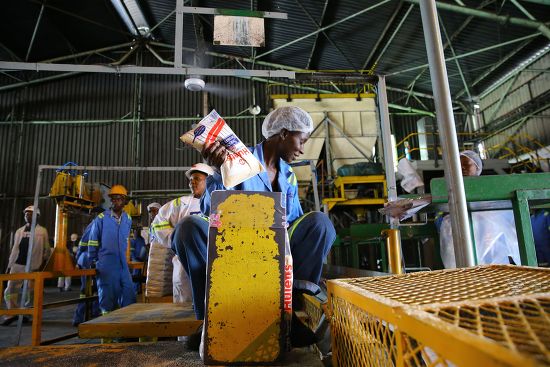
Tongaat’s sugar mills form part of a regional supply chain supporting growers, transporters, workers and suppliers across southern Africa. Photo credit; Tongaat Hulett BI Africa Its rescue practitioners subsequently suspended payments due to the South African Sugar Association between October 2022 and April 2023.
The payments support the administration of South Africa’s regulated sugar industry and include obligations used to redistribute proceeds and costs between growers, millers and refiners.
Tongaat argued that these arrangements operated like contracts and could therefore be suspended under provisions of the Companies Act governing business rescue.
The Sugar Association disagreed. It maintained that the obligations came from the Sugar Act and the Sugar Industry Agreement and were therefore statutory requirements rather than ordinary commercial contracts.
The Supreme Court of Appeal sided with the association in December 2025.
It found that the Sugar Industry Agreement became subordinate legislation after being promulgated by the government. Tongaat’s obligations consequently arose from law, even though the system contained features resembling a commercial agreement.
The court held that business-rescue practitioners could suspend contractual obligations but could not use that power to set aside statutory duties. Tongaat then asked the Constitutional Court to intervene.
In an order dated 24 August 2026, the court accepted procedural filings from the rescue practitioners but refused leave to appeal because the application had no reasonable prospect of success.
DON'T MISS THIS:South Africa races to save 134-year-old sugar giant with 2 million-ton milling capacity from shutdown
The Constitutional Court did not conduct another full trial or calculate a new liability. Its refusal simply allowed the Supreme Court of Appeal’s interpretation to stand.
Edited by the Pearl Hundred newsroom. Reporting and photography credited to ocdn.eu. View the original report.