
Uganda
UK's Extreme Weather Vulnerability Exposed by Heat, Drought
London, UK | Xinhua | Britain's susceptibility to severe weather events is now evident due to prolonged periods of intense heat and arid conditions, a shift from its traditionally rainy summers.
Published 29 Aug, 11:59 · Pearl Hundred newsroom
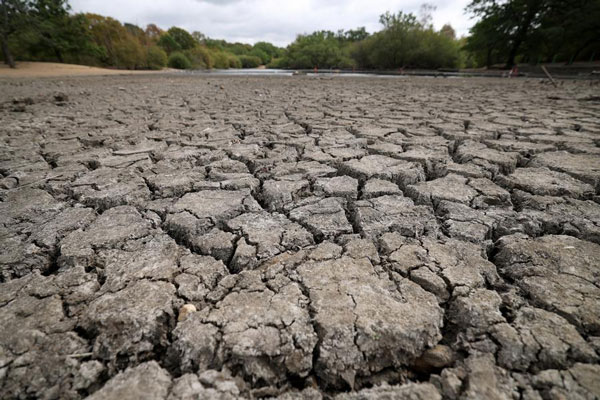
While British people have historically complained about their often cool and wet summers, this common perception is now being challenged by an extended period of extreme heat and a lack of rain across the nation.
In Leicestershire, England, the ground was baked and fissured by intense heat, turning the landscape into a parched, yellow expanse. Farmer William Oliver, 37, walked towards his wheat field, holding a shovel.
Oliver noted that this year's drought was exceptional, observing the stubble left after harvesting. He informed Xinhua that late August typically marks the peak of the wheat harvest; however, due to the prolonged heat and dry spell this summer, harvesting began three weeks earlier than usual to mitigate crop damage.
As a fourth-generation farmer, Oliver has managed the family's approximately 2,000-acre (about 8 square kilometers) farm since 2011, cultivating wheat, corn, and rapeseed, in addition to raising poultry.
Oliver estimated that the severe drought would likely result in an economic loss approaching 20 percent.
England recorded only 6.5 millimeters of rain in July this year, which amounted to just 10 percent of the month's long-term meteorological average, making it the driest July ever documented.
Standing inside a warehouse filled with hay bales, Oliver expressed that the country's infrastructure is inadequate to cope with extreme heat and drought.
His farm lacks an advanced and efficient irrigation system, making its agricultural output heavily reliant on rainfall. He stated that government support for infrastructure development remains insufficient.
During their visits to farms throughout England, several farmers informed Xinhua that agricultural production this year had been particularly challenging, citing early harvests, reduced yields, and an elevated risk of fires as common difficulties.
Rob Ford, a farmer in Cheshire, commented that if the hot and dry weather persists, they might need to fundamentally alter their farming methods.
British Prime Minister Andy Burnham recently remarked that this summer has probably been the most difficult for British agriculture in a generation.
Britain has experienced five heatwaves since the start of 2026. In June, over 2,000 heat-related fatalities were reported, leading some hospitals to cancel surgeries because operating rooms became too hot.
Concurrently, as the heat and drought persisted, the frequent occurrence of wildfires became an undeniable and harsh reality for British society.
On August 14th, the British government issued an urgent warning to citizens via phone alerts, indicating a "very high" risk of wildfires nationwide and prohibiting any activities that could ignite a blaze.
The day prior to the alert, a significant fire erupted in Stourbridge. The hot and dry conditions contributed to what was described as an "apocalyptic" inferno, with thick smoke darkening the sky and 19 homes being destroyed.
Several days after the fire was extinguished, the air still carried the acrid smell of charred debris. Flames had consumed the roofs of multiple residences and spread towards the railway, while the surrounding grassland was reduced to scorched earth.
When speaking with local residents, the words "heartbroken" and "helpless" were frequently reiterated.
The prolonged heat and drought had left the town's residents both physically and emotionally drained. One local remarked that, along with the houses, memories of growing up had been incinerated.
Written and edited by the Pearl Hundred newsroom.